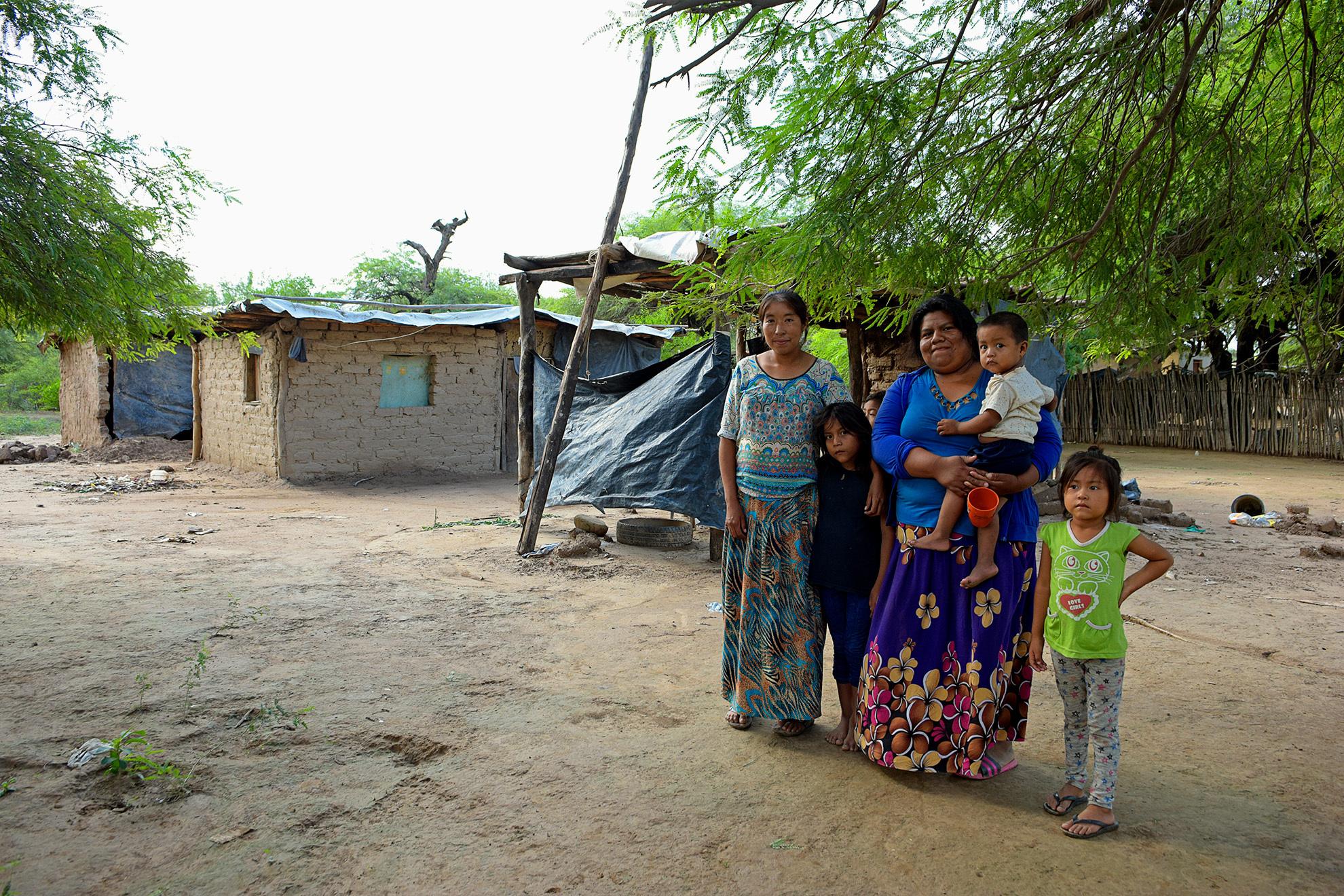
Why is it important to respect the culture of Indigenous communities?
Reading time: 4 minutes
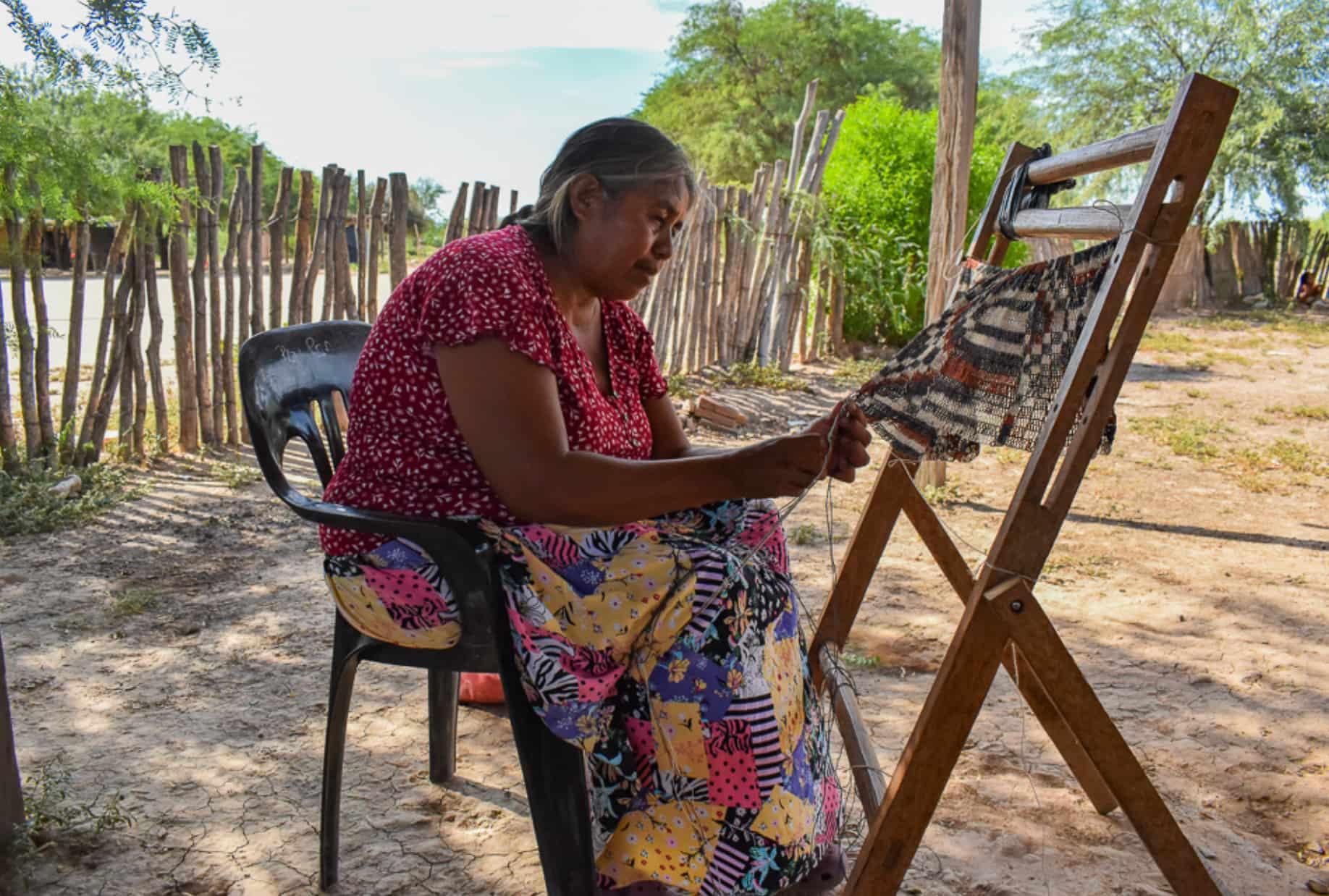
Wichí handicrafts are much more than a handmade object. They are a cultural expression that represents a people's identity, its history and its struggle to preserve its roots. Through the weaving of chaguar, Wichí women pass on ancestral knowledge and create a source of livelihood for their communities, strengthening their autonomy and reaffirming their ethnic identity.
Thanks to the support of organizations such as the NGO Pata Pila, Wichí handicrafts have gained visibility and demand for their products has grown. Dionisia Fernández highlights this growth: "We have a lot of orders that we are gradually working through to be able to fulfill. It's something I always stress, thanking those who are behind it all."
Chaguar is a plant that grows in the bush and has traditionally been used by the Wichí, a hunter-gatherer people who live in the Salta Chaco, western Formosa and the Impenetrable Chaco. Its fiber, extracted through a manual process involving gathering, pounding, spinning and dyeing with natural pigments, is turned into threads for making textiles.
Margarita Díaz, an entrepreneur from the cooperative ALS Atsinhay Ta Chumas, explains how complex this process is: "First I have to look for chaguar in the bush, then I have to pound it, spin it and find the natural dye. It's not easy to go out into the bush; when it's hot it's worse, you suffer."
Craftwork has been key to empowering the women of these communities. Dionisia Fernández, also an entrepreneur with ALS Atsinhay Ta Chumas, tells how the project has made it possible to recover and strengthen this practice: "Before, the women forgot about handicrafts, and with the project it came back. At first there were very few of us and now we've managed to bring more women into the group."
Beyond the economic side, Wichí handicrafts are a form of cultural representation and resistance. "For us it means representing ourselves as a group, how we've been working, organizing," says Dionisia. Their work not only contributes to their families' livelihood, it also reinforces the intergenerational transmission of ancestral knowledge.
The artisans produce a wide variety of pieces, from belts, purses and backpacks to cloths of different sizes. "Lately they ask us for cloths of different measurements, 50 cm, 60 cm, one meter. Recently they asked us for a two-meter cloth and I'm figuring out how to reach that size," says Dionisia.
Margarita Díaz, for her part, highlights the importance of selling directly: "I like to go out and sell shouting: 'Handicrafts for sale...' I'm not embarrassed, because if I'm embarrassed nobody will buy. You have to shout. Cheap, cheap... I like it."
Defining Wichí handicrafts goes beyond their aesthetic appearance. They are a representation of an ethnic identity that encompasses a way of living, of being and of transmitting culture. In every piece woven with chaguar there is invaluable craftsmanship that cannot be measured in hours or money.
Wichí handicrafts are unique works of art, with identity, sustainable traceability and dignity. Each woman who weaves a piece uses not only her hands but her whole body, in a process that embodies centuries of history and resistance. They are products created from the origin with deep cultural and social meaning, which invite us to value and respect the legacy of Indigenous peoples.
If you would like to add your support to keep promoting the handicrafts and age-old culture of our country, donate now by clicking donate: