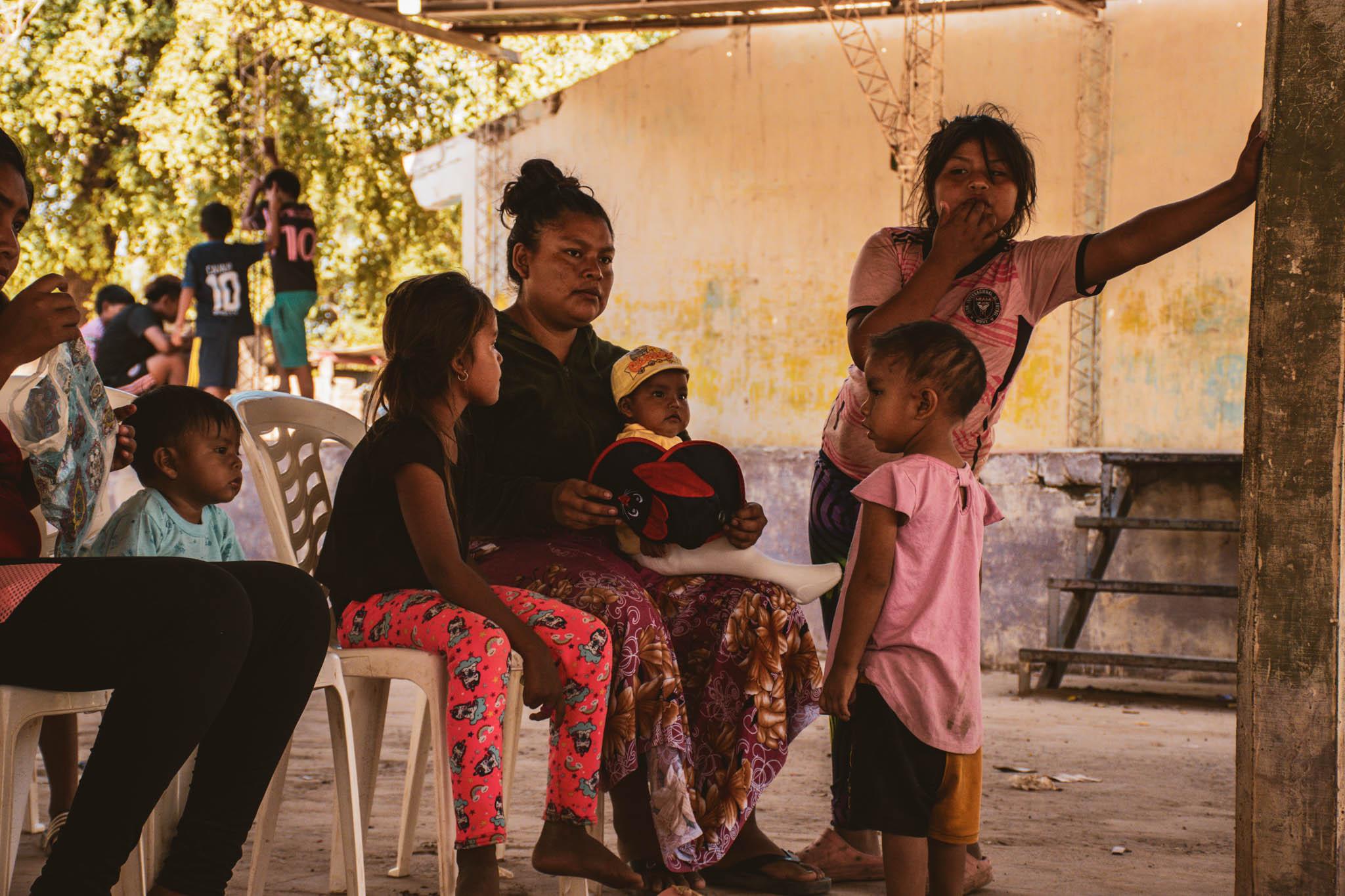
In 2024 poverty in Argentina rose to 55.5%, according to a UCA study
The alarming figures show that 25 million Argentines are poor, nearly 8 million live in extreme poverty and food insecurity affects 32.2% of children and adolescents.
Wednesday, August 13, 2025
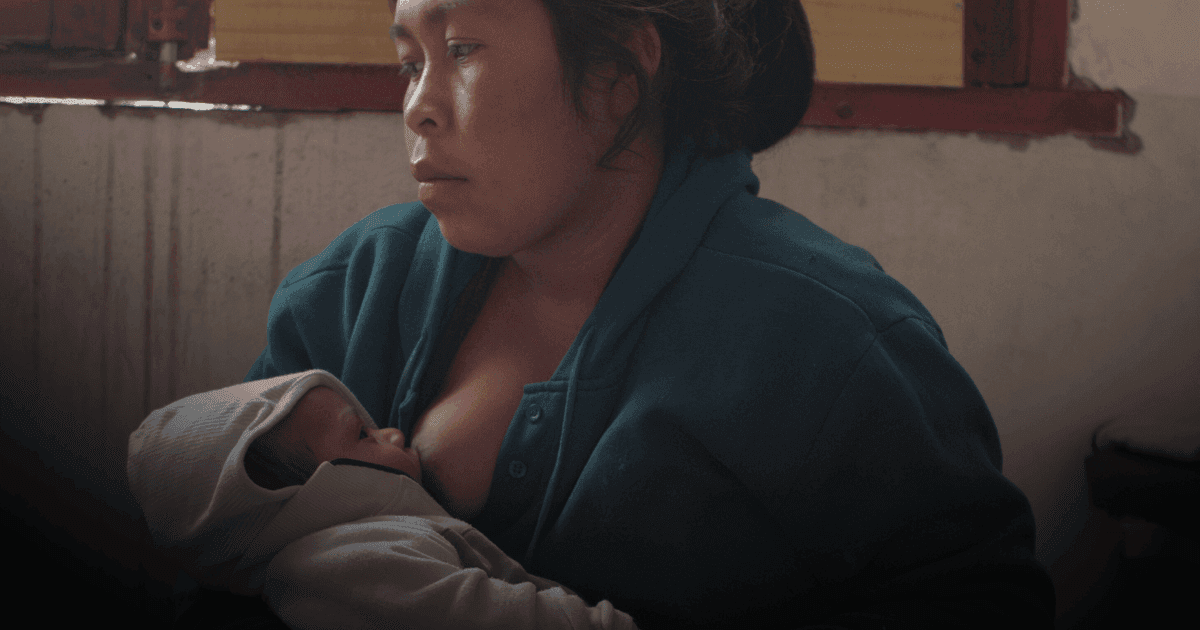
From August 1 to 7, World Breastfeeding Week is celebrated in more than 170 countries, an initiative promoted by WHO and UNICEF to promote, protect and support this practice that is essential for the health of children and their mothers.
But in many corners of Argentina, breastfeeding is not a simple choice, but a true act of resistance.
In communities of the Salta Chaco, where the NGO Pata Pila works, breastfeeding is threatened by very harsh structural conditions:
"If the mother has nothing to eat, she can't produce milk. And if there's no water, she can't stay hydrated or prepare a bottle safely either," explains Diego Bustamante, founder and General Director of Pata Pila.
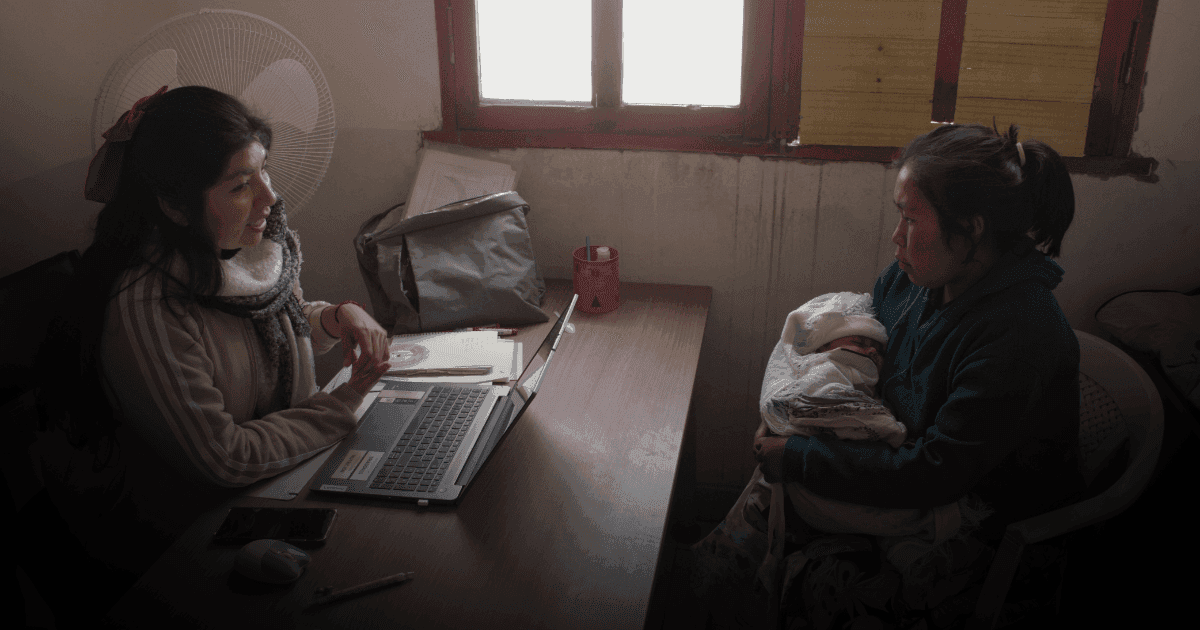
Dana, from the community of Tartagal, supports her son Iker — diagnosed with cerebral palsy — through a process of multiple forms of care together with Pata Pila.
"Every day he teaches me to be a better mother. I'm grateful. Pata Pila helps me let out what I feel," she says, moved.
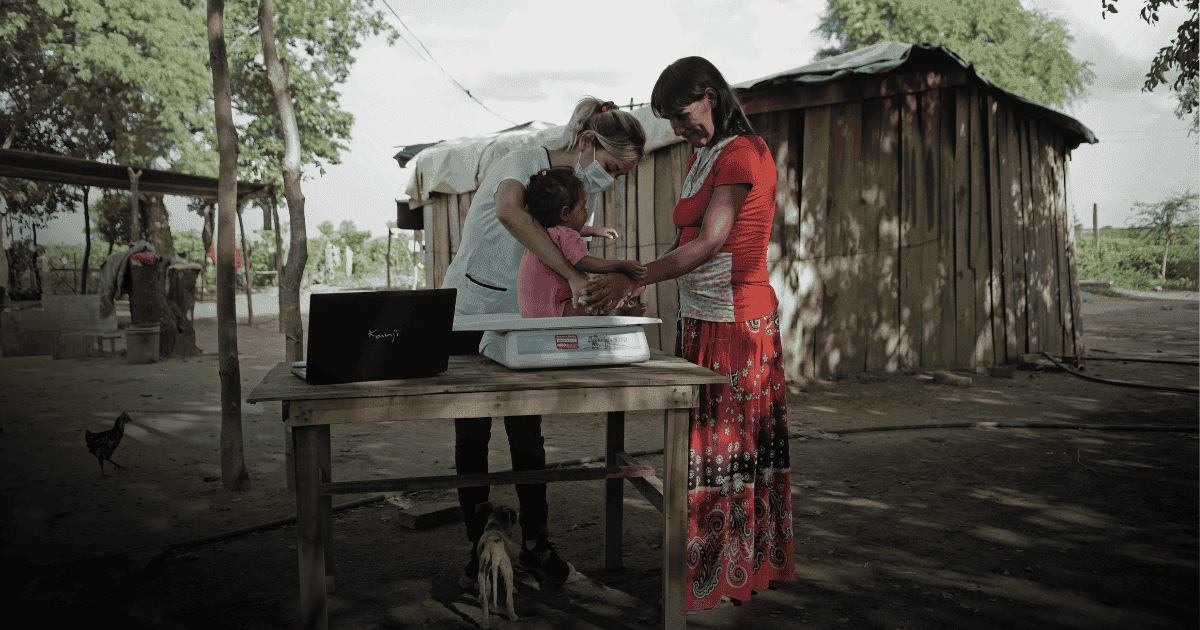
María Alejandra, the organization's nutritionist, highlights the importance of community work:
"Francisco couldn't tolerate milk. We switched to lactose-free milk and he started to improve. I give the tools, but the families do the work."
For 10 years, Pata Pila has worked in communities in northern Argentina to guarantee the right to health and nutrition from early childhood, with a comprehensive approach that puts mothers at the center.
Some of its main actions include:
Your support can make a concrete difference in the lives of hundreds of mothers and babies.
👉 With a monthly donation, you help guarantee:
The alarming figures show that 25 million Argentines are poor, nearly 8 million live in extreme poverty and food insecurity affects 32.2% of children and adolescents.
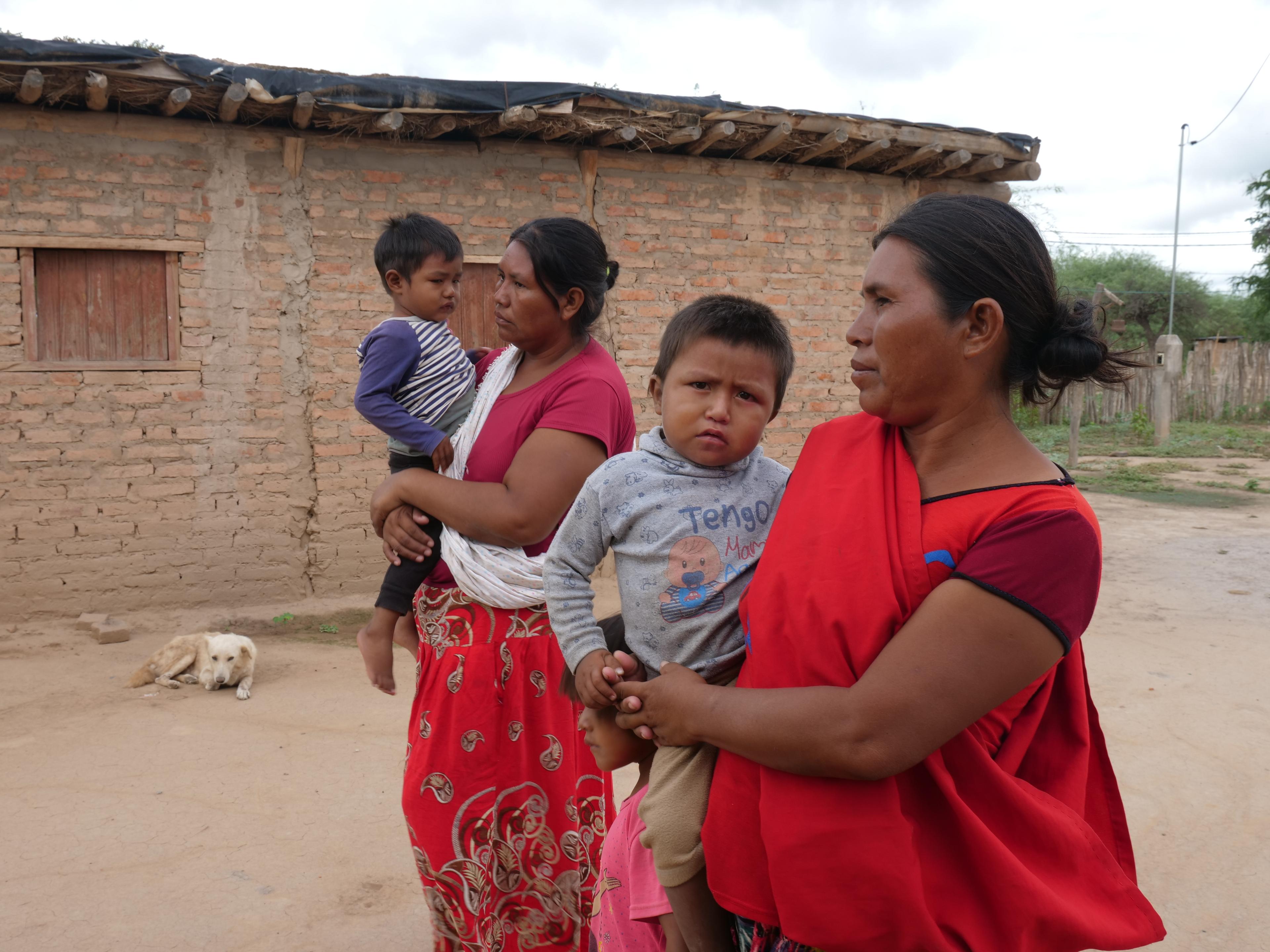
A recent UNICEF study reveals that nearly 10 million children in Argentina have reduced their consumption of meat and dairy due to a lack of financial resources. Compared with 2023, there has been a 24% increase in the consumption of noodles and flour, while the intake of fruit and vegetables has dropped alarmingly by 58%.
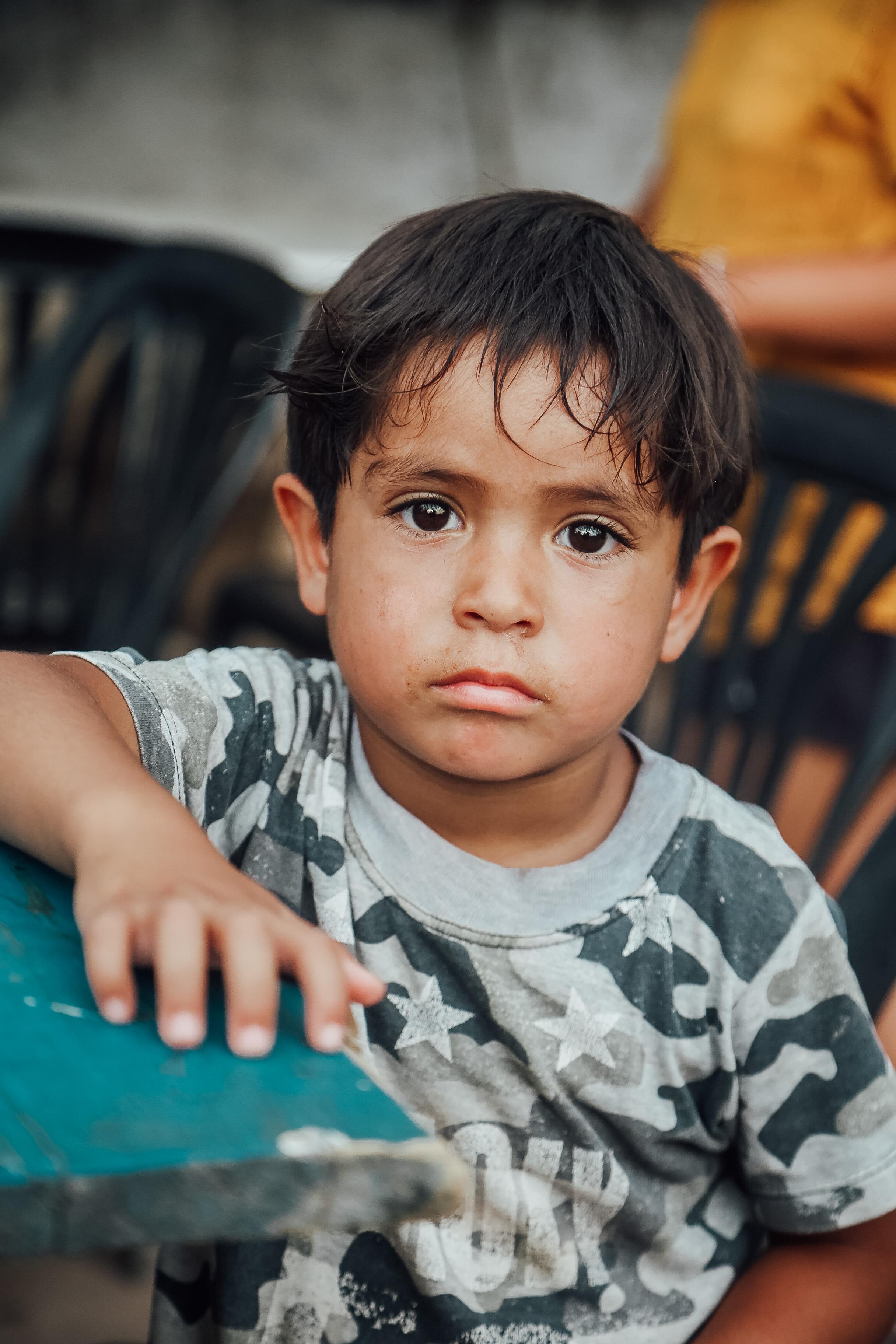
Child poverty in Argentina has reached alarming levels. According to a report by the consultancy ExQuanti, based on data from the INDEC Permanent Household Survey (EPH), seven out of ten children live in households mired in poverty, a critical situation that has intensified in the first quarter of this year.