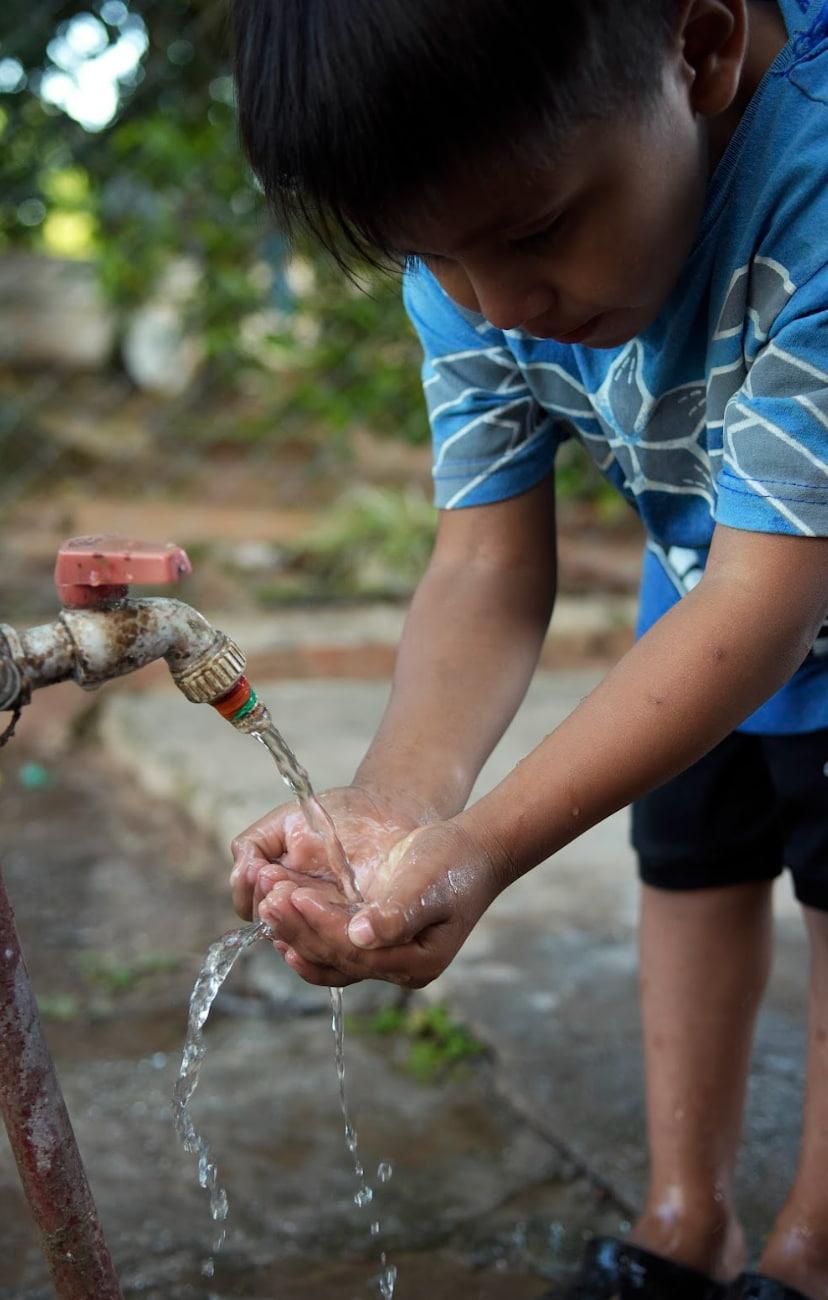
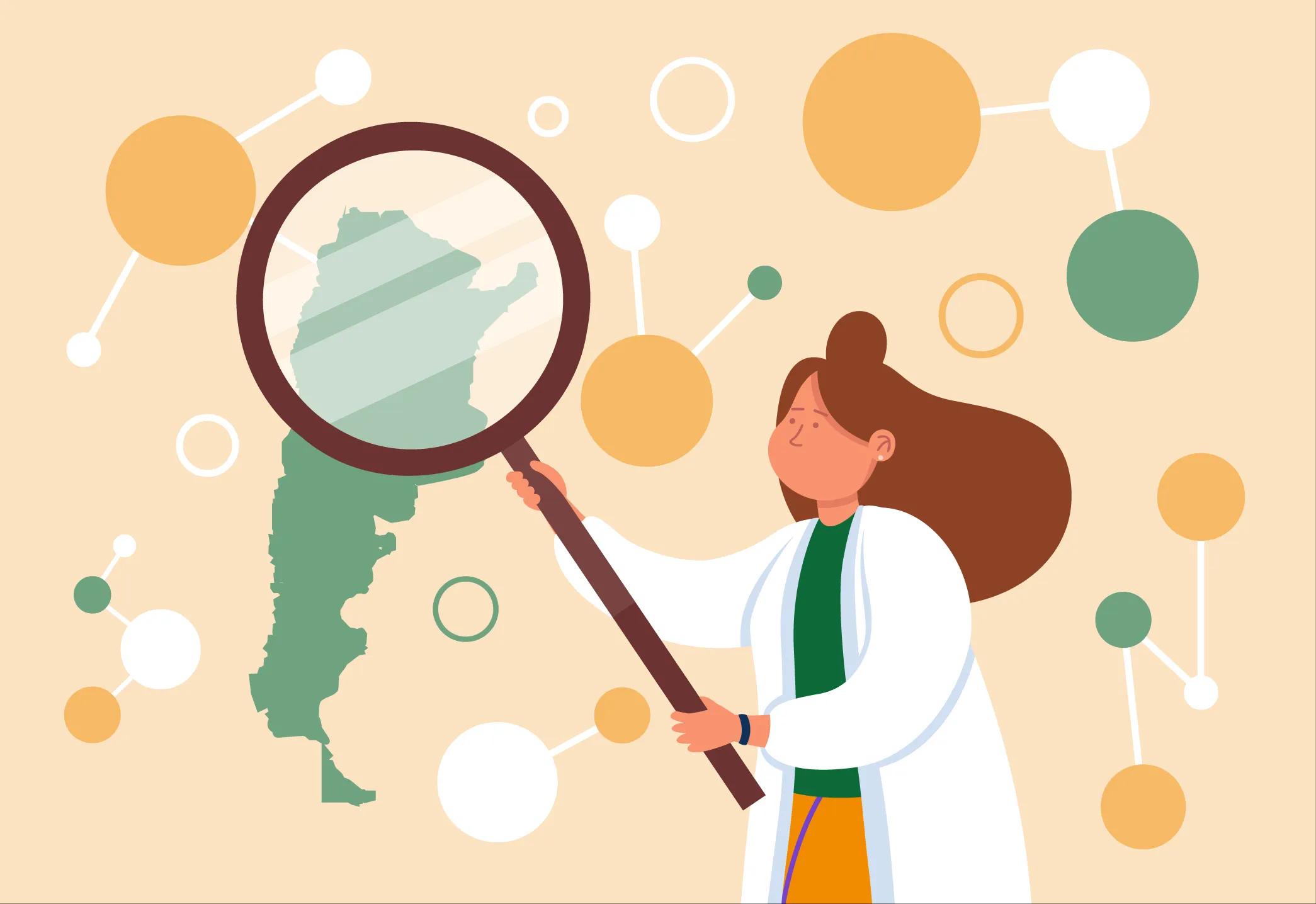
In an arid, remote area of Santa Victoria Este, in the province of Salta, Indigenous communities face a serious water crisis. Scattered across a vast region of 400,000 hectares, many people cannot access this resource in the quality and quantity needed for daily life.
The groundwater in certain areas contains high levels of salt, which makes the water from traditional wells unfit for human consumption or for watering livestock. On top of this, scattered settlements and nomadic traditions have made it difficult to build conventional water infrastructure.
Faced with this critical situation, the NGO Pata Pila works in the territory implementing a range of solutions adapted to each community. Diego Bustamante, the organization's founder, explains: "We call them water works because in some cases they are deep wells to extract and distribute water in the community. In others, they are rainwater harvesting systems in places where digging a well is not feasible. We also give families water tanks so they can store the water they manage to collect."
Challenges in access to water
To get water, communities have two main options: obtaining it from natural sources, such as lagoons, or relying on delivery by municipal tanker trucks. However, both alternatives present serious difficulties.
Lagoons and other natural sources do not always offer water fit for human consumption. In addition, extreme weather and lack of access to land aggravate the crisis. During the dry season, temperatures can exceed 50ºC and many lagoons dry up completely by the end of August, leaving communities with no options.
On the other hand, logistics and long distances prevent tanker trucks from reaching those who live in the most remote settlements. The lack of adequate roads and the scarcity of resources make supply even harder.
Pata Pila's role in finding solutions
Pata Pila works with municipalities on water distribution using tanker trucks and tractors with trailers. In some cases, drinking water networks have been extended from nearby communities, and water treatment plants and filtering systems have been installed.
"Each response is adapted to the resources available in the community, its needs and expectations, and funding opportunities. It's key to connect the need with those who can contribute and help, especially in a context of economic crisis," says Bustamante.
In a country where many get water just by turning on a tap, it is urgent to make the reality of these communities visible and to join efforts to guarantee this fundamental right. The water crisis in northern Argentina is a challenge that requires immediate and sustainable responses.
If you would like to add your support so we can keep building more water works, donate now by clicking donate:
Help us fight malnutrition!