Reading time: 4 minutes
Indigenous communities are the bearers of a unique and valuable ancestral culture that deserves deep respect. In this article, we will explore the fundamental reasons why we must honor and preserve the culture of these communities, and how this contributes to cultural diversity and the recognition of their rights.
Indigenous communities enrich our society with their diverse traditions, languages, rituals and ancestral knowledge. Each community has its own worldview and way of relating to nature. By respecting and valuing their culture, we enrich our own understanding of the world and promote the inclusion of different ways of life and perspectives.
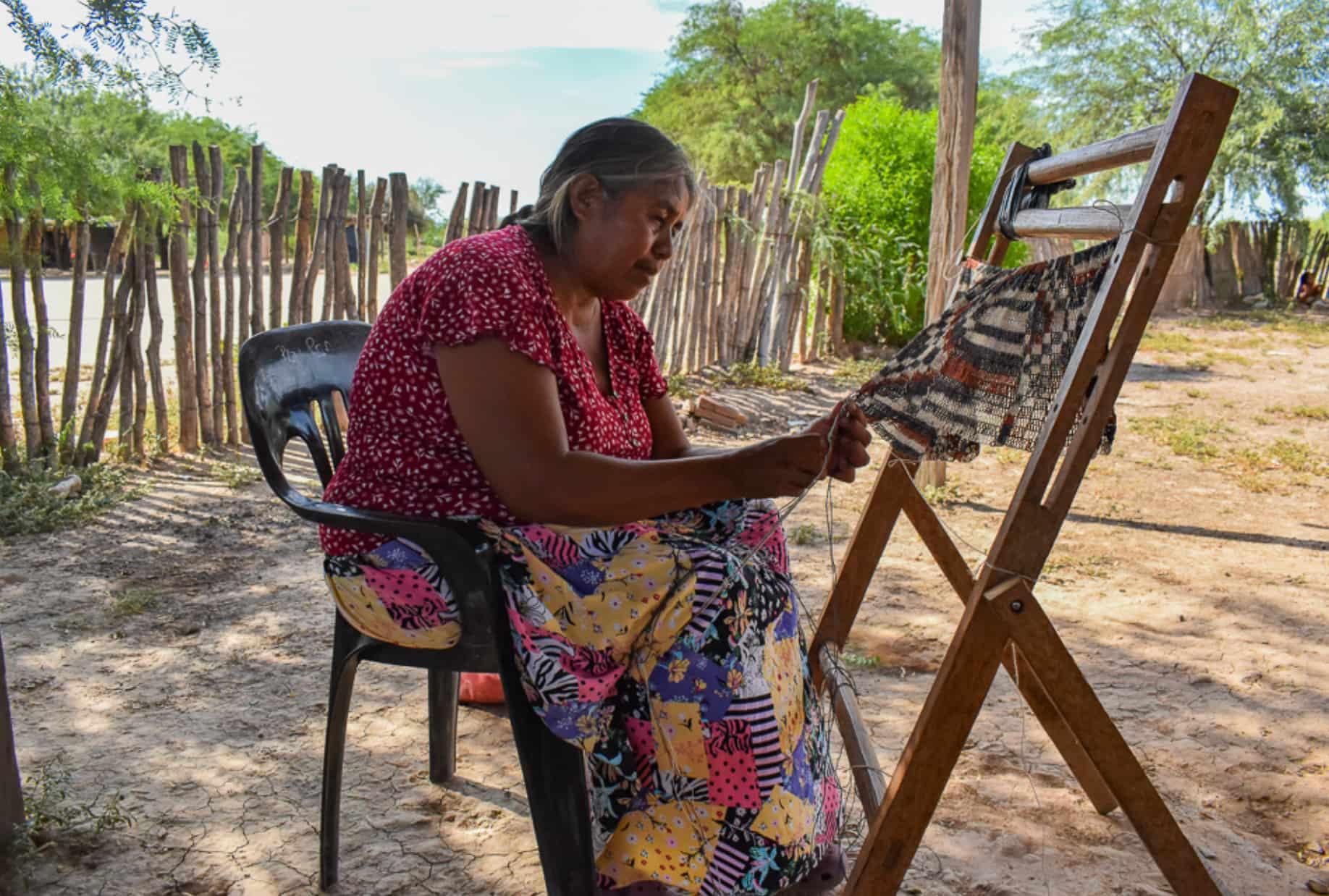
The cultural heritage of Indigenous communities is invaluable and must be preserved for future generations. These communities hold ancestral knowledge that spans areas such as traditional medicine, sustainable agriculture, building techniques and handicrafts. By respecting and valuing their culture, we ensure that this valuable heritage is not lost over time and that it continues to be passed on to the next generations.
The recognition of cultural rights is essential for Indigenous communities. These rights include the right to maintain and practice their traditions, languages and rituals without discrimination or external imposition. By respecting and valuing their culture, we guarantee that these communities can live with dignity and develop according to their own visions and values, thus preserving their unique cultural identity.
Respect for the culture of Indigenous communities promotes intercultural dialogue and the building of bridges between different ethnic groups. By opening spaces for the exchange of knowledge and experiences, we can learn from one another and strengthen the ties between our cultures. Intercultural dialogue allows us to appreciate diversity and overcome stereotypes, creating a more inclusive and respectful society.
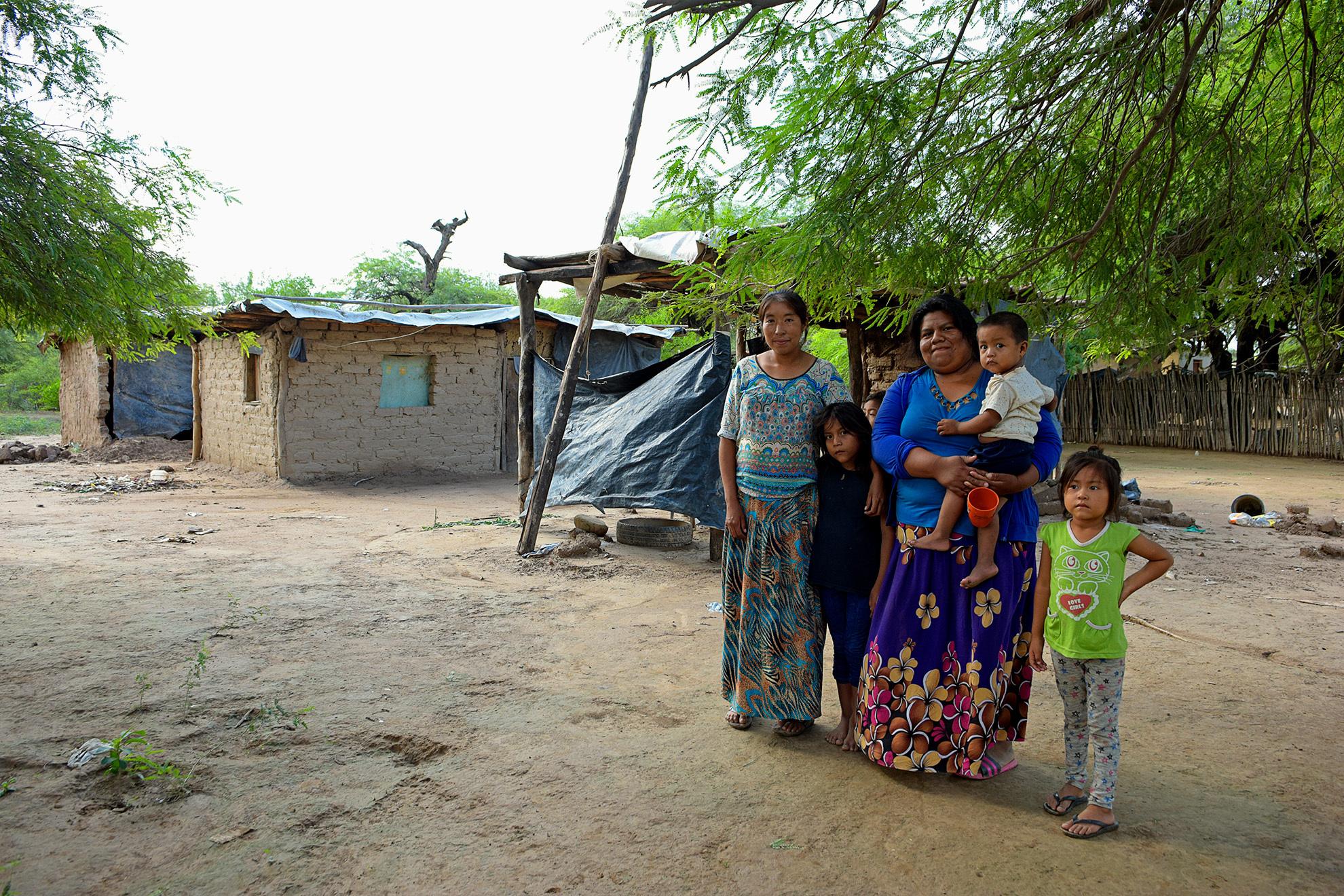
It is important to note that Indigenous communities, especially in northern Salta, face particular challenges in relation to child malnutrition. These communities are often located in rural and remote areas, where access to nutritious food can be limited due to a lack of infrastructure, scarce resources and adverse weather conditions. There is also an additional communication barrier due to linguistic diversity. Many Indigenous communities have their own languages and dialects, which makes it harder to pass on information about proper nutritional practices and access to health and nutrition programs. The lack of understanding and of adequate interpretation services can also limit communities' ability to address malnutrition and seek help.
In this context, it is essential to raise awareness of the problem of child malnutrition in the Indigenous communities of northern Salta and to promote initiatives that address their specific needs. This includes strengthening food security programs, implementing sustainable development strategies that promote self-sufficiency and equitable access to nutritious food, and training health professionals and nutritionists to work in a culturally sensitive and respectful way.
Besides financial contributions, there are other ways to help. For example, you can take part in volunteer programs that provide support in areas such as nutrition education, improving food infrastructure and promoting sustainable farming practices. You can also get involved in awareness and outreach campaigns to promote the importance of respecting and valuing the culture of Indigenous communities, as well as advocate for public policies that protect their cultural rights and promote their overall well-being.
In conclusion, child malnutrition in Indigenous communities, especially in northern Salta, is a complex, multifaceted problem. To address it effectively, we need to raise awareness of its underlying causes, including the lack of access to nutritious food and communication and cultural barriers. Through collaboration and ongoing support, we can work together to promote respect for the culture of Indigenous communities and ensure the well-being of their youngest members.
Help us fight malnutrition!