The alarming figures show that 25 million Argentines are poor, nearly 8 million live in extreme poverty and food insecurity affects 32.2% of children and adolescents.
The Argentine Social Debt Observatory of the Pontifical Catholic University of Argentina (UCA) released a report stating that poverty climbed from 44.7% in the third quarter of 2023 to 55.5% in the first quarter of this year. The "poverty" indicator is determined by the cost of the basic food basket, and it now reaches 24.9 million residents of urban areas in the country, while some 7.8 million people are sunk in extreme poverty or destitution, according to the document.
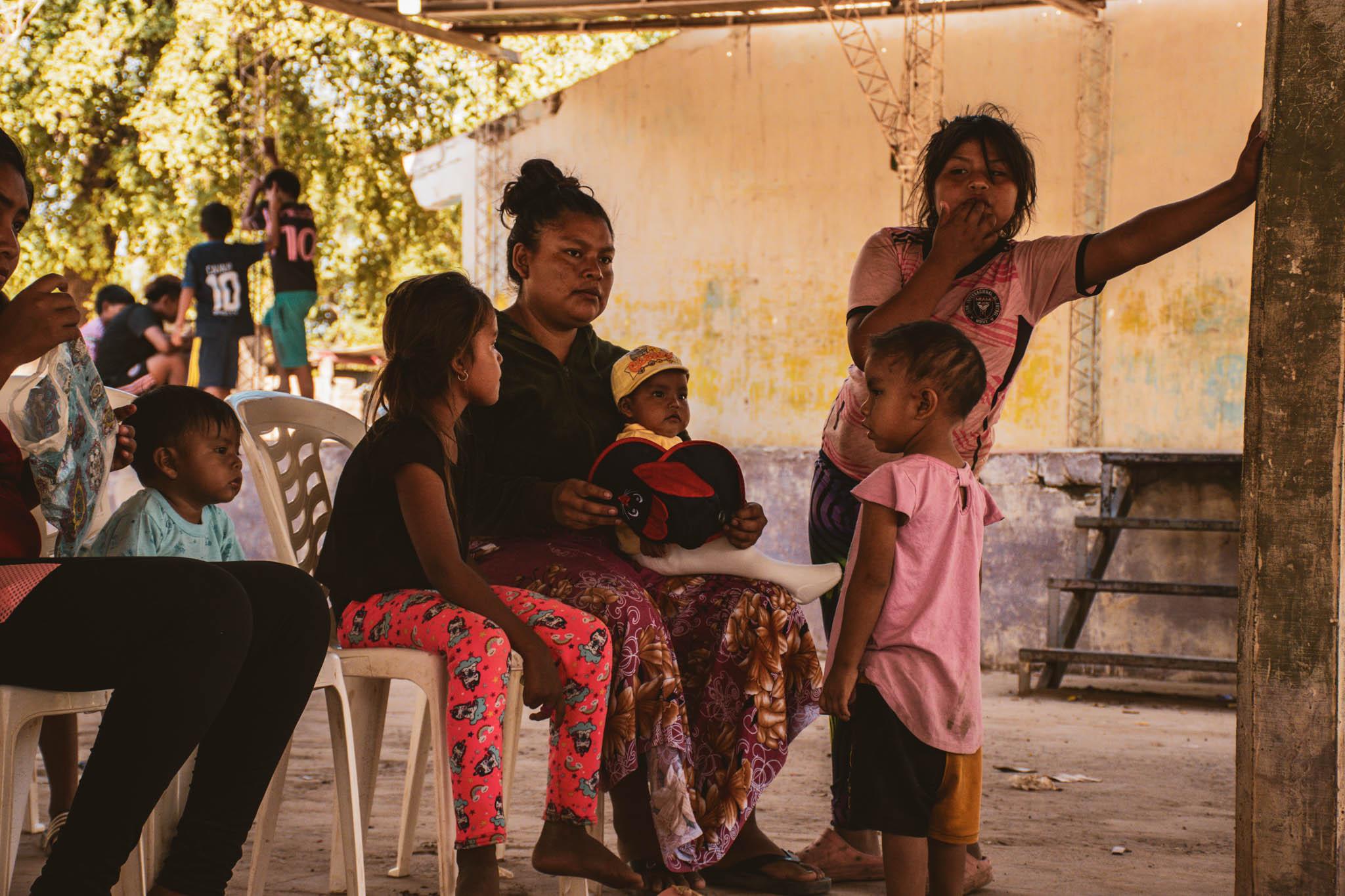
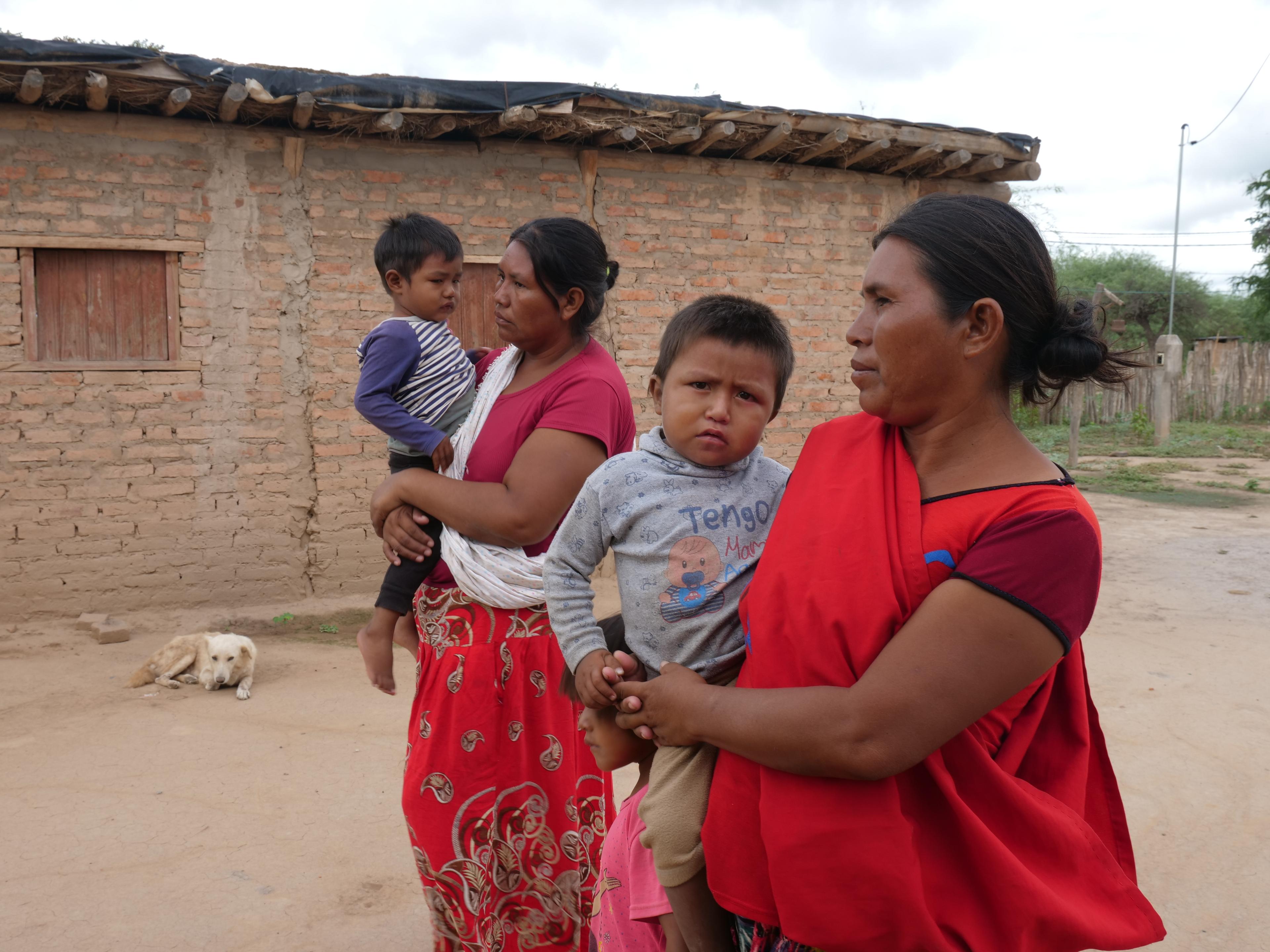
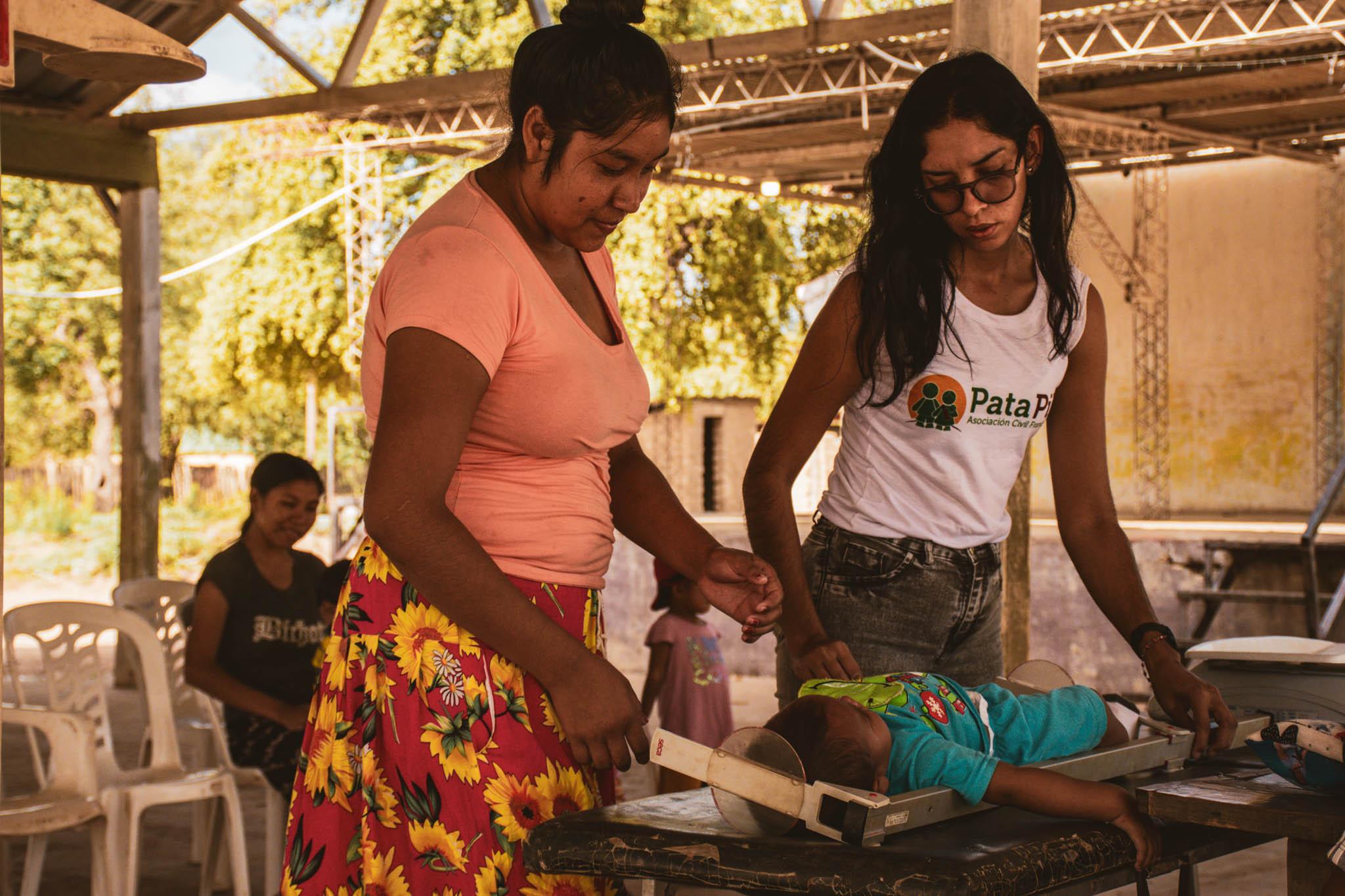
In this context, with a focus on the child population, the Franciscan Civil Association Pata Pila continues to fight malnutrition through comprehensive health care in different parts of Argentina: "Our approach includes prevention, follow-up, diagnosis and nutritional treatment to help children from 0 to 5 years recover, and to train their mothers as the main health agents," said Diego Bustamante, founder of Pata Pila, and he went on: "We believe in a world where every child has adequate nutrition to develop in good health and where every person can fully exercise their rights and make the most of their abilities," he emphasized.
What does the study say about the situation of children in Argentina?
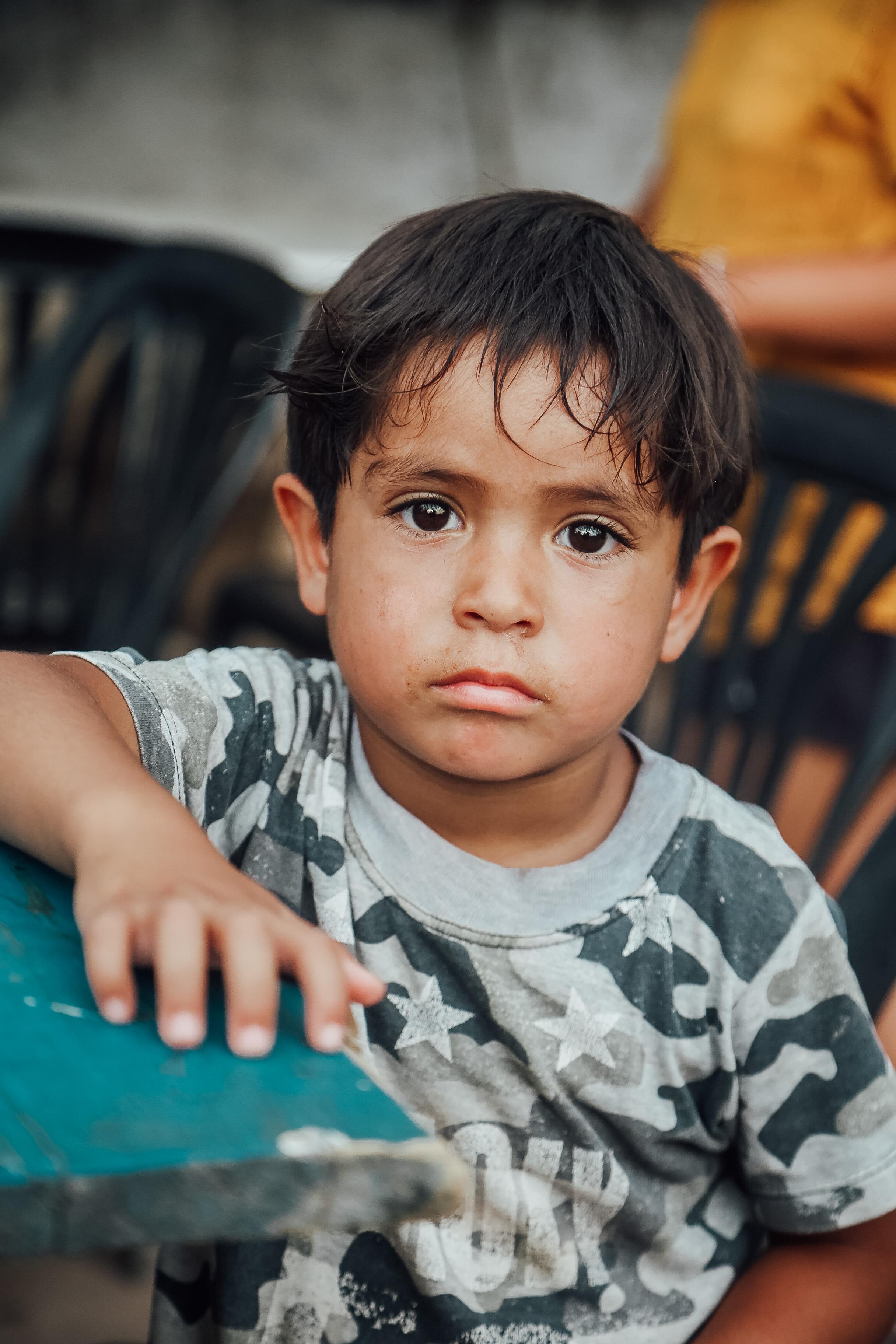
The study also revealed that food insecurity affects 32.2% of children and adolescents in urban areas. Food insecurity occurs when people do not have regular, permanent access to food in sufficient quantity and quality to survive, according to the Food and Agriculture Organization of the United Nations (FAO). This means a person in this situation faces uncertainty about when, how and how much they will eat at their next meal, which puts their nutrition, health and well-being at risk.
The recent UCA study also noted that the infant mortality rate for children under 1 and under 5 has improved since 2005, although there is considerable variation among provinces. The data suggest that high levels of child mortality tend to correlate with high levels of monetary destitution.
In a country where poverty and food insecurity have become a harsh reality for millions of people, the work of organizations like Pata Pila becomes more essential than ever. We believe it is fundamental to support initiatives like these because every well-nourished child is a step toward a fairer, more equitable country.
At Pata Pila, we reaffirm our commitment and call on all of society to join this fight against child malnutrition taking place in Salta, Mendoza, Entre Ríos and Buenos Aires, where our team works tirelessly on the ground.
If you would like to add your support, donate now by clicking donate:
Help us fight malnutrition!