Child malnutrition remains a serious problem in Argentina, especially in the northern provinces, where the lack of access to drinking water and precarious living conditions make the situation worse.
According to the UCA report "Evolution of living conditions and social inequalities in childhood," after a period of progress, food insecurity has remained at a floor of 20%, and over the last seven years it has worsened, leaving a third of children in a situation of food deprivation, almost half of whom experience severe deprivation.
In this context, the NGO Pata Pila does important work in comprehensive education, teaching families how to correctly dilute powdered milk or keep children from drinking contaminated water, and thus helping the nutrition of boys and girls in the communities.
Beyond the lack of food: key factors in malnutrition
The problem of child malnutrition is not reduced to the lack of food alone. Factors such as water quality and access to nutrition education play a crucial role. "Poor water quality makes children live sick, and that's why they are malnourished, not only because of a lack of food," explains Diego Bustamante, founder of Pata Pila.
Bustamante warns that a malnourished child suffers reduced cognitive development and difficulty relating to others. "The first signs are often silent and show up in school performance, with grade repetition and problems with social integration," he explains. The NGO works on early detection and on comprehensive care for each case, addressing each child's specific needs.
The provinces most affected by child malnutrition are Chaco, Salta, Jujuy and Formosa, where the lack of economic development and the consumption of non-potable water worsen the situation. "Many families live without access to safe water, in homes with dirt floors and in constant contact with animals that can transmit diseases," warns Diego Bustamante. He also stresses the importance of proper nutrition in early childhood: "In the north, it is common for children to eat the same stews as adults, but a six-month-old baby cannot digest those foods in the same way. Part of our work with mothers is to explain the importance of milk as a key source of nutrition and to teach them how to prepare a safe formula, which is often made difficult by the lack of adequate conditions."
Pata Pila's work: a comprehensive approach to fighting malnutrition
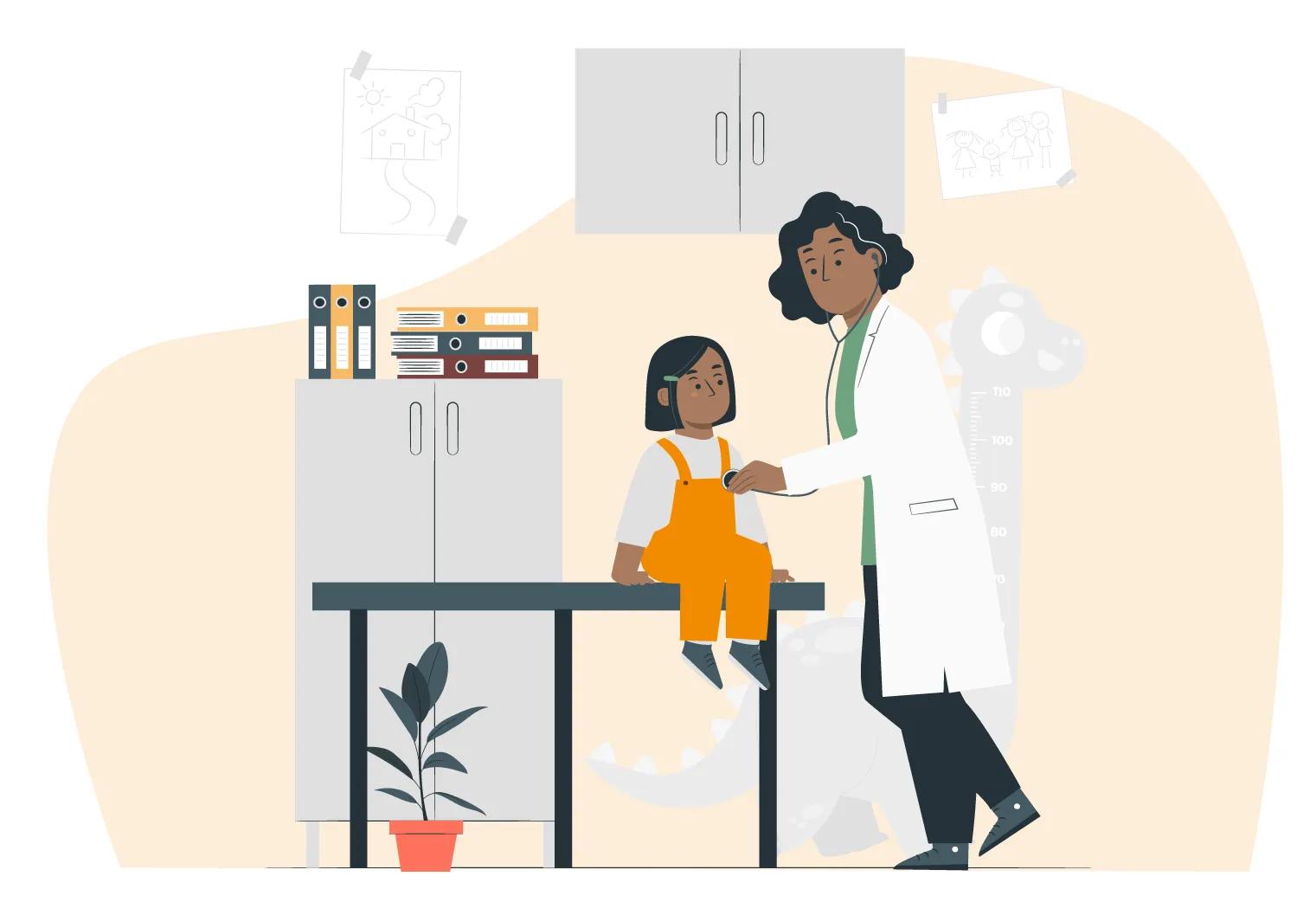
In the Malnutrition Care and Prevention Program, Pata Pila fights malnutrition in children under 5 through a comprehensive approach. An interdisciplinary team closely monitors the health of each child, addressing not only food but also the context in which they grow up.
The work they do ranges from nutrition to the empowerment of the responsible adults: the NGO trains and works alongside mothers, who are the main caregivers. They are trained in nutrition, hygiene and healthy habits to ensure their children grow up in a safer environment that is more conducive to their development.
Pata Pila currently has care centers equipped with the infrastructure needed to provide professional care and support. Each center has:
- Nutrition, early stimulation, educational psychology, pediatrics and social work offices.
- A kindergarten for children's early development.
- A room for trades workshops and health education training for mothers.
- Green recreational spaces and community gardens that encourage healthy, sustainable eating.
The importance of the first 1,000 days
The first 1,000 days of a child's life are fundamental, since this is when the foundations of their physical and cognitive development are laid. The nutrition they receive during this period will determine their long-term health and their ability to learn. A child who does not receive adequate nutrition in the early years has a higher likelihood of health problems and difficulties in school and social development.
It is crucial that the State and social organizations work together to ensure that every child has access to adequate food and decent living conditions. Fighting child malnutrition means not only improving access to food, but also investing in infrastructure, education and health to break the cycle of extreme poverty that affects children in Argentina.
Join Pata Pila's cause to fight child malnutrition in Argentina.
Help us fight malnutrition!