The symptoms of child malnutrition tend to vary depending on the characteristics of each case and its level of severity. In general, however, it is possible to identify the signs of this health and social problem.
Among the signs and symptoms of child malnutrition, we can mention those that affect the physical dimension of the child's health, and also those that affect the infant's mental and psychological health.
So that you know the symptoms of this health problem, below we detail some of the most common signs of child malnutrition.
1. Physical symptoms of child malnutrition
First, when addressing the symptoms of child malnutrition, we cannot fail to mention the signs that are visible from a physical perspective.
On the other hand, there are those that affect organic function and balance and that are not observable at first glance, but through specific diagnostic techniques. In this section, we list and explain both categories:
Visible physical signs
Within this subcategory, the following symptoms of child malnutrition stand out:
- Depending on the severity of the case, a size difference between the head and the rest of the body of the child can be observed.
- A noticeable drop in weight and short stature, since a malnourished child may have growth problems.
- The infant's hair is fragile. It falls out frequently and can even change color.
- The child's face is swollen and has detectable pallor. It can also be seen on the palms of the hands and the soles of the feet.
- The eyes may become sunken.
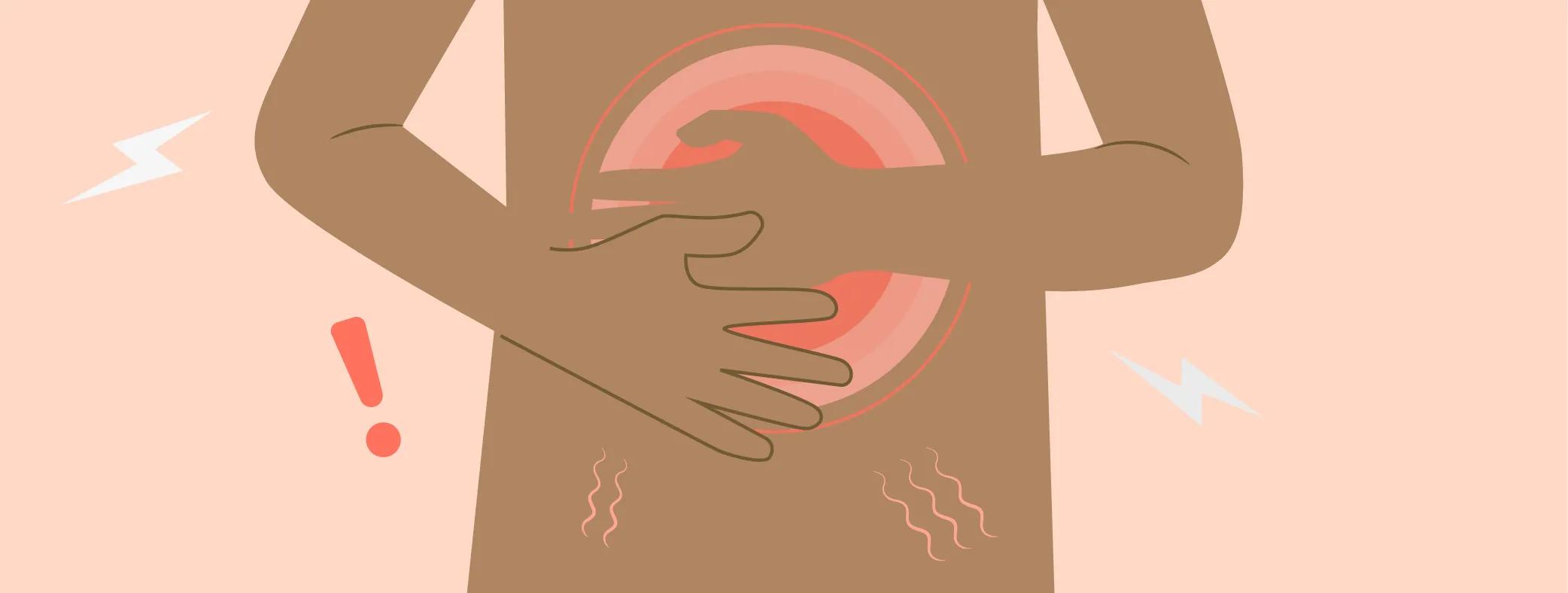
- Swelling and bulging of the abdomen are symptoms of acute malnutrition in children.
- The ribs may be visible because of the child's extreme thinness.
- Loss of muscle mass.
- Fatigue, weakness and dizziness.
Non-visible physical signs
Symptoms of child malnutrition of this type usually include a decrease in the effectiveness of the immune system. For this reason, children are more prone to getting sick, as well as to contracting diarrhea and various viruses, such as the flu.
At the same time, health complications closely related to an iron deficiency may appear.
To understand the incidence of child malnutrition in Argentina, it should be noted that 42% of children have anemia as a result of poor nutrition.
As a World Health Organization (WHO) note states, iron deficiency is one of the main causes of anemia. This is because this element enables the transport of oxygen, as well as DNA synthesis and the performance of muscle metabolism functions.
2. Behavioral symptoms
Help us fight malnutrition!
From the perspective of behavioral symptoms, the following signs of child malnutrition can be mentioned:
- Irritability, low frustration tolerance and problems with emotional management.
- Lack of concentration. The child cannot retain or process the theoretical or practical information given by the teacher. That is, all their cognitive faculties decline depending on the case. It is also common for malnourished children to suffer from some type of attention deficit disorder.
- Apathy and a feeling of sadness. Absence of a social smile.
- Lack of willingness to carry out tasks that require motivation.
- Avoidance of direct eye contact.
- No appetite.
- Refusal to take part in group play.
- Reduced agility in fine motor skills. Objects tend to fall from their hands.
- Social isolation. They do not interact with classmates at school.
- Unkempt appearance. In school, this is one of the symptoms of child malnutrition, shown in a lack of interest in their appearance and in the disorder of their work materials.
- Poor speech development.
In summary, to reduce the impact of child malnutrition in Argentina, it is necessary to know the symptoms, learn to detect them and contribute humanitarian aid.
Today there are different types of NGOs in Argentina that seek to neutralize the negative effects of child malnutrition and improve the lives of many children and their families.
Diego Bustamante, founder of Pata Pila, in an Infobae article, states that child malnutrition directly limits children's future. In particular, this type of malnutrition prevents the proper development and learning of the future adult. And regarding the action needed to fight this problem, he says:
"A malnourished and dehydrated child needs help now. It's what I call patch work: the urgent. And then there are the education processes for families to give them tools to gain autonomy. It can be done."
Through this civil association, you can contribute financially every month or as a one-time gift and become part of La Comunidad, to fight the consequences of the symptoms of child malnutrition and change the realities of children across the country.