Child malnutrition is a type of malnutrition that currently affects children and families. And although our country has one of the lowest rates of child deaths from this problem in Latin America, many children still die from child malnutrition in Argentina.
This unfavorable context is linked to a greater extent with certain areas of Argentine territory, such as the North of the country. At the same time, the mortality indicator for child malnutrition rises in places where the people of Indigenous communities live.
So that you know the number of children who die from child malnutrition, we have written this Pata Pila article. As a result, you will have all the information you need to learn more about this social and health situation.
1. The number of deaths from child malnutrition is 0.4%
It is true that the child mortality rate has dropped 75% in recent decades in Argentina. However, every 10 hours, a person dies of malnutrition in the country. And among the population under 5 years of age, there is a prevalence of 0.4% of deaths.
Indeed, Argentina is one of the countries with the lowest degree of malnutrition in Latin America. However, this does not mean that the consequences of child malnutrition do not need to be addressed, or that a strategic plan to fight this problem is unnecessary.
2. There is a prevalence of deaths in northern Argentina
Help us fight malnutrition!
In his CONICET article "Hunger and child malnutrition in northwestern Argentina," Fernando Longhi points out that certain areas of the North of the country are the most affected by acute and chronic malnutrition.
Indeed, despite the decline in deaths from child malnutrition in Argentina, the most affected areas are those we mention below:
- Eastern Salta.
- Valleys of Salta and Jujuy.
- Dulce-Salado interfluve of Santiago del Estero.
Given this predominance of malnutrition, Diego Bustamante, founder of the Asociación Civil Pata Pila, in a Clarín article, considers it essential to determine the needs of the people who are part of the affected communities in the North of Argentina.
To do so, it is essential to invite mothers and family members to attend care centers like Pata Pila's. Another option is to visit them in person. As a result, it is possible to learn firsthand what the reasons for child malnutrition are.
In fact, this kind of malnutrition is not specific to the child; in most cases it is associated with the inability to buy food or drink safe water. It may also be due to high levels of structural poverty, together with domestic violence.
3. Deaths from malnutrition occur in Indigenous communities
Finally, Indigenous communities are usually the most affected by deaths from child malnutrition in Argentina. This is due to the following reasons:
- Predominance of structural poverty.
- Problems with transport and food distribution.
- Absence of drinking water and a sewage system.
- People in Indigenous communities do not have access to the education and health systems.
- Lack of documents proving the identity of children and their families.
On the other hand, according to the "Second Report on the Situation of the Rights of Children of Indigenous Peoples in the Salta Chaco," submitted to the Inter-American Commission on Human Rights (IACHR), prepared by Marisa Graham, National Ombudsperson for Children and Adolescents, and referenced in a Clarín article, 7 boys and girls from the Wichí community died over a period of three months in Salta.
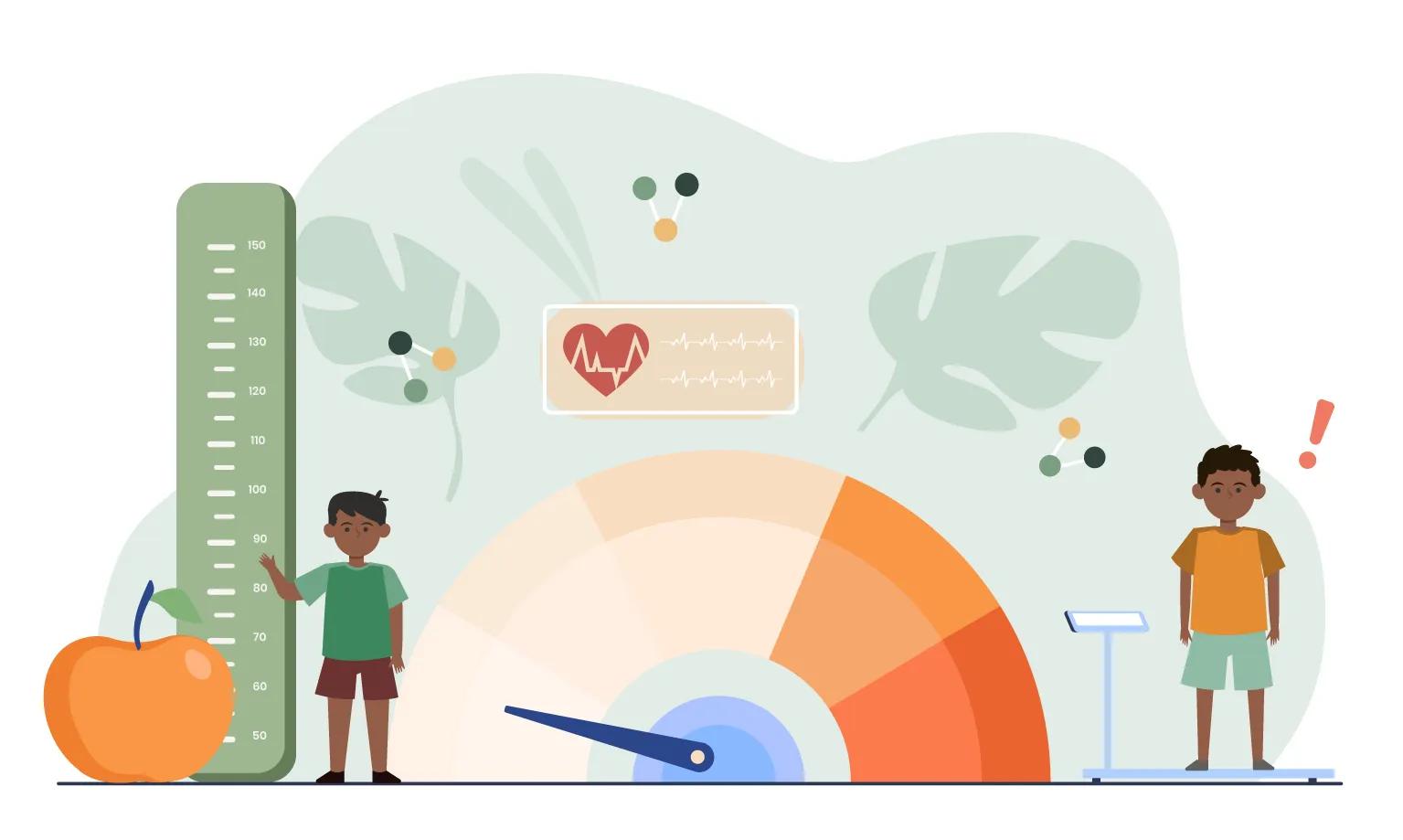
She also states that to solve this situation, a statistical assessment of the weight and height of boys and girls must be carried out. In this way, deaths from child malnutrition in children can be prevented.
In conclusion, although the data on deaths from child malnutrition show low values, this does not mean it is not central to act efficiently to change the reality of children and their families who are going through these moments of social vulnerability.
With Pata Pila, you can become part of La Comunidad and help financially through a monthly or one-time donation. You can also become a volunteer for the NGO and contribute to improving the reality of the affected communities.
The first 1,000 days of a child's life are fundamental for their future physical, emotional and psychological health. In this situation, good nutrition changes everything.
In short, we invite you to be part of our project to fight child malnutrition so that together we can make a positive impact on the future of the child population of Argentina.